Flaky Croissant Dough
Highlighted under: Sweet & Baked
I've always been fascinated by the art of making croissants, and after countless attempts, I've finally mastered a flaky croissant dough that never fails to impress. The layers of buttery goodness create a delightful texture that is both crispy and tender. Using the right technique, along with chilled ingredients, has made all the difference in achieving that perfect rise. This dough not only tastes amazing but also provides an interactive baking experience that’s incredibly satisfying.
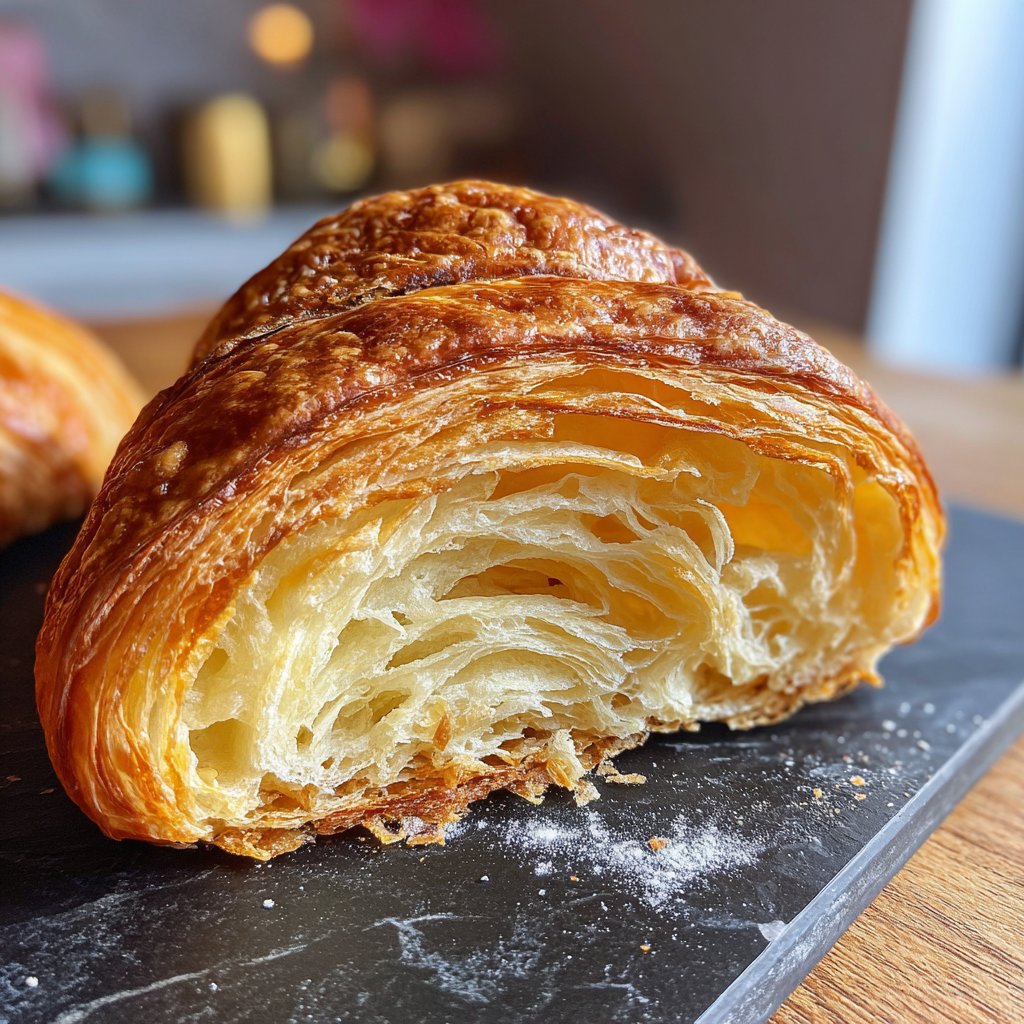
I remember the first time I bit into a freshly baked croissant in a quaint Parisian café. The flaky layers and rich buttery flavor took me to another world. Ever since, I’ve been on a quest to replicate that experience at home. With this flaky croissant dough, I’m excited to share the secrets that make it special: cold butter, diligent folding, and patience during rising.
Diving into the layering process was fulfilling. I learned that letting the dough chill between folds allows the gluten to relax and the butter to remain firm, which is essential for those delicate layers. It’s a labor of love, but each bite is worth every bit of effort!
Why You Will Love This Recipe
- Flaky layers that shatter in your mouth
- A buttery aroma that fills your kitchen
- Perfect for breakfast or an afternoon treat
Understanding the Ingredients
The ingredients in this flaky croissant dough play a crucial role in achieving its signature texture. All-purpose flour provides the right balance of protein for structure while allowing the layers to remain tender. The sugar not only enhances flavor but also contributes to browning during baking, yielding that irresistible golden crust. Salt enhances the overall taste and strengthens the dough, while instant yeast facilitates a quicker rise without compromising the classic flavor.
Butter is the star ingredient in this recipe. Using unsalted butter allows you to control the salt content, crucial for a balanced dough. Chilling the butter is important; it ensures that the layers do not meld during rolling and maintains the flakiness we all crave. If you prefer a dairy-free version, consider using a high-quality vegan butter. Remember that the temperature is key; if the butter becomes too soft, you will lose those beautiful layers.
Mastering the Techniques
The lamination process is where the magic happens in creating flaky layers. When rolling out the dough, be gentle and avoid pressing too hard, as this can break the butter into the dough rather than keeping it distinct. If you notice the butter starting to ooze out during the rolling process, stop, wrap the dough, and chill it again until firm. This will help maintain the structure needed for that desired puff.
When shaping the croissants, be sure to roll them tightly from the wide end to avoid them unrolling during baking. If this is your first time, practice technique on a small section of the dough to get a feel for the ideal tightness. For added flavor, you can incorporate chocolate or almond paste before rolling, transforming your croissants into a delicious treat that elevates brunch or dessert.
Ingredients
For the Dough
- 500g all-purpose flour
- 40g sugar
- 10g salt
- 10g instant yeast
- 300ml cold water
- 250g unsalted butter (chilled and cubed)
Important Notes
Make sure all ingredients are cold for best results.

Instructions
Prepare the Dough
In a large bowl, combine the flour, sugar, salt, and yeast. Gradually add cold water and mix until a dough forms. Knead briefly until smooth. Wrap in plastic wrap and chill for 30 minutes.
Incorporate the Butter
Roll the chilled dough into a rectangle and place cold butter in the center. Fold the dough around the butter to encase it completely.
Laminate the Dough
Using a rolling pin, gently roll the dough into a long rectangle. Fold into thirds like a letter. Chill for 20 minutes and repeat this process two more times.
Shape the Croissants
Roll out the dough into a large rectangle, then cut into triangles. Starting from the wide end, roll each triangle to form a croissant shape.
Bake
Place shaped croissants on a baking sheet and let them rise for another 30 minutes. Preheat the oven to 200°C and bake for 15-20 minutes or until golden brown.
Allow the croissants to cool slightly before serving for the best texture.
Pro Tips
- For extra flakiness, work quickly to keep the dough cold and don’t skip the resting periods.
Make-Ahead and Storage Tips
If you want to prepare your croissants in advance, you can freeze the shaped, unbaked croissants. Lay them out on a baking sheet to freeze individually, then transfer them to an airtight container. They can be frozen for up to three months. When you're ready to bake, let them thaw in the fridge overnight and rise for about an hour at room temperature before baking.
For leftover baked croissants, store them in an airtight container at room temperature for up to two days. If you want to maintain their crispiness, reheat in the oven at 180°C for about 5-7 minutes, or until warmed through. Avoid the microwave, as this will make them rubbery and lose that coveted flaky texture.
Troubleshooting Common Issues
If your croissants don't rise as expected, check the freshness of your yeast. Instant yeast should be stored in a cool, dry place and replaced regularly. Also, ensure that the water used in mixing is cold; warm water can kill the yeast and result in flat croissants.
Another common issue is overly greasy croissants, which might occur if the butter is too soft during the lamination process. Make sure to keep both your dough and butter well-chilled throughout the process. If you find that the butter has started to melt into the dough, don’t hesitate to return everything to the fridge for a short period until firm.
Questions About Recipes
→ How can I tell when the croissants are done baking?
They should be golden brown and sound hollow when tapped on the bottom.
→ Can I freeze the croissant dough?
Yes, you can freeze the shaped croissants before baking. Just make sure to thaw and let them rise before baking.
→ What can I fill my croissants with?
You can fill them with chocolate, almond paste, or even ham and cheese for a savory twist.
→ What’s the best way to store baked croissants?
Store them in an airtight container at room temperature for up to 2 days, or freeze for longer storage.
Flaky Croissant Dough
Created by: Josie Lambert
Recipe Type: Sweet & Baked
Skill Level: Intermediate
Final Quantity: 10 croissants
What You'll Need
For the Dough
- 500g all-purpose flour
- 40g sugar
- 10g salt
- 10g instant yeast
- 300ml cold water
- 250g unsalted butter (chilled and cubed)
How-To Steps
In a large bowl, combine the flour, sugar, salt, and yeast. Gradually add cold water and mix until a dough forms. Knead briefly until smooth. Wrap in plastic wrap and chill for 30 minutes.
Roll the chilled dough into a rectangle and place cold butter in the center. Fold the dough around the butter to encase it completely.
Using a rolling pin, gently roll the dough into a long rectangle. Fold into thirds like a letter. Chill for 20 minutes and repeat this process two more times.
Roll out the dough into a large rectangle, then cut into triangles. Starting from the wide end, roll each triangle to form a croissant shape.
Place shaped croissants on a baking sheet and let them rise for another 30 minutes. Preheat the oven to 200°C and bake for 15-20 minutes or until golden brown.
Extra Tips
- For extra flakiness, work quickly to keep the dough cold and don’t skip the resting periods.
Nutritional Breakdown (Per Serving)
- Calories: 250 kcal
- Total Fat: 15g
- Saturated Fat: 10g
- Cholesterol: 30mg
- Sodium: 150mg
- Total Carbohydrates: 25g
- Dietary Fiber: 1g
- Sugars: 1g
- Protein: 5g