Korean Soups and Stews
Highlighted under: World Kitchen Heritage
Explore the rich flavors of Korean cuisine with these comforting soups and stews, perfect for any occasion.
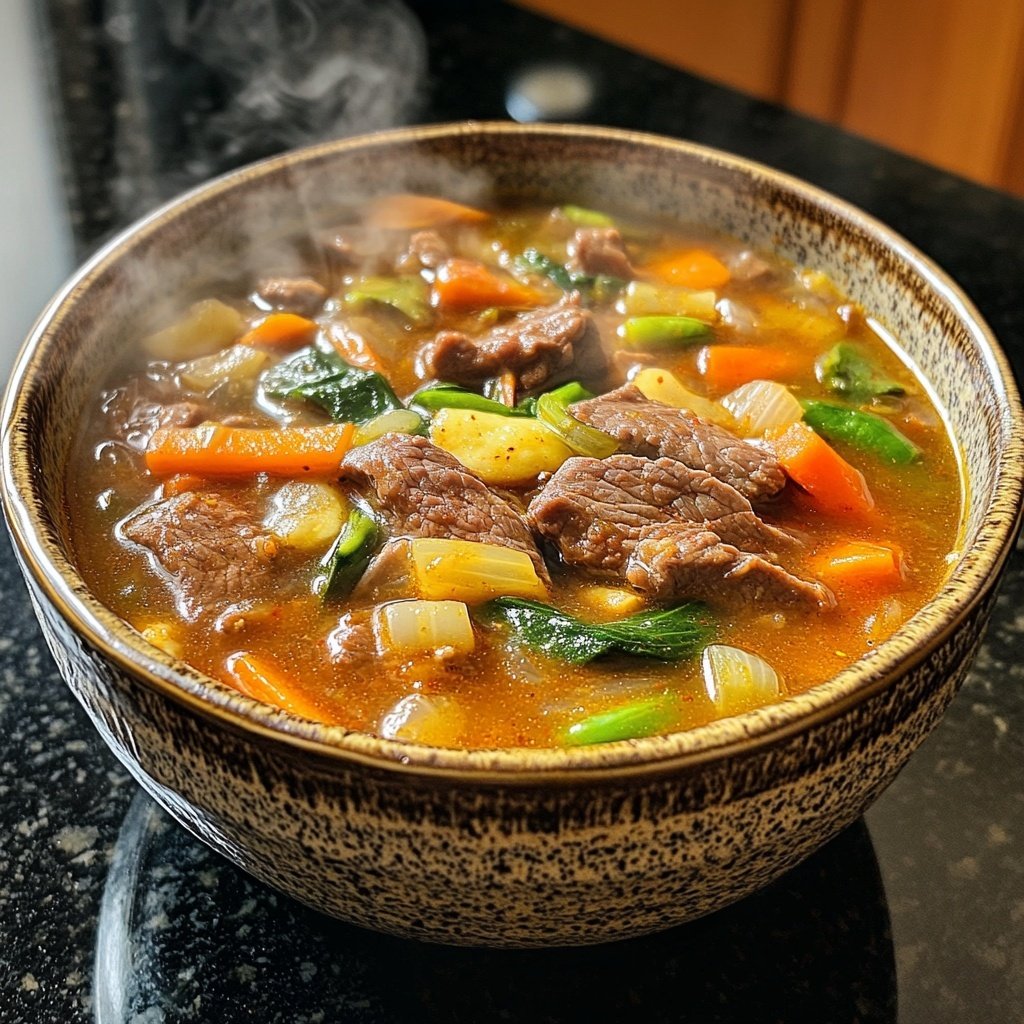
Korean soups and stews are a staple in Korean households, cherished for their warmth and rich flavors. Whether it's a spicy kimchi jjigae or a savory doenjang jjigae, these dishes bring comfort and nourishment to the table. Perfect for gatherings or a cozy night in, each recipe showcases the unique ingredients and culinary techniques of Korea.
Why You'll Love This Recipe
- Hearty and comforting, perfect for cold days
- Rich in flavors with a perfect balance of spice
- Versatile recipes that can be tailored to your taste
The Heart of Korean Cuisine
Korean cuisine is renowned for its bold flavors and unique combinations, making it a favorite among food lovers worldwide. At the heart of this culinary tradition are the hearty soups and stews that not only warm the body but also comfort the soul. These dishes often feature a harmonious blend of fermented ingredients, fresh vegetables, and rich broths, exemplifying the depth of flavor that Korean cooking is celebrated for.
In Korean households, meals often revolve around shared dishes, and soups and stews play a central role in this communal experience. They are not just food; they are a way to bring family and friends together. Each bowl served is a testament to the love and care put into the cooking process, elevating the simple act of eating into a cherished ritual.
Health Benefits of Korean Soups
Korean soups and stews are not only delicious but also packed with nutritional benefits. Ingredients like kimchi are rich in probiotics, promoting gut health and enhancing digestion. The use of fresh vegetables and lean proteins like beef or tofu contributes to a balanced diet, ensuring you receive essential vitamins and minerals in each hearty serving.
Moreover, the inclusion of spices such as gochugaru offers anti-inflammatory properties and can boost your metabolism. This makes Korean soups a fantastic choice for those looking to enjoy flavorful meals while also taking care of their health. With every spoonful, you can feel good knowing you're nourishing your body with wholesome ingredients.
Customization to Suit Your Taste
One of the best aspects of Korean soups and stews is their versatility. You can easily customize the recipes to suit your personal taste preferences or dietary needs. Whether you prefer a spicier kick or a milder flavor, adjusting the amount of gochugaru and other seasonings allows you to create the perfect bowl just for you.
Additionally, you can explore different proteins such as chicken, pork, or even seafood, making the possibilities endless. Vegetarians and vegans can also enjoy these dishes by substituting meat with various plant-based proteins and adding an assortment of vegetables. This adaptability makes Korean soups a delightful option for any occasion, accommodating everyone at the table.
Ingredients
Korean Soup Ingredients
- 1 pound beef or tofu, diced
- 2 cups kimchi, chopped
- 1 medium onion, sliced
- 4 cups vegetable or beef broth
- 2 tablespoons gochugaru (Korean chili flakes)
- 1 tablespoon soy sauce
- 1 tablespoon sesame oil
- 4 green onions, chopped
- Salt and pepper to taste
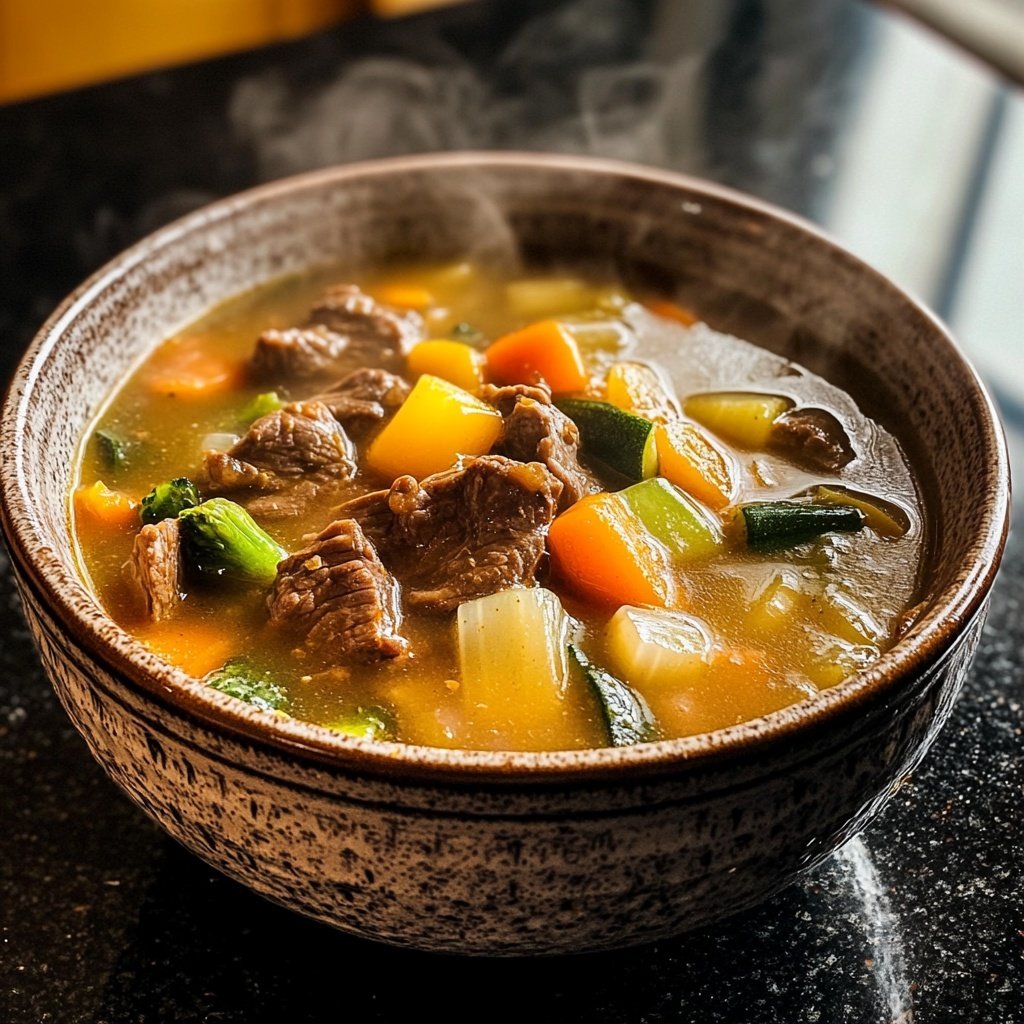
Gather all ingredients in advance for a smoother cooking experience.
Instructions
Prepare the Ingredients
Start by dicing the beef or tofu and chopping the kimchi and onions. This will ensure everything is ready for cooking.
Cook the Base
In a large pot, heat the sesame oil over medium heat. Add the onions and cook until translucent. Then add the diced beef or tofu and cook until browned.
Add Kimchi and Broth
Stir in the kimchi, gochugaru, and soy sauce. Pour in the broth and bring to a boil. Reduce heat and let it simmer for about 30 minutes.
Season and Serve
Adjust seasoning with salt and pepper. Stir in green onions just before serving for a fresh touch.
Enjoy your delicious Korean soup or stew with rice or as is!
Pro Tips
- For an extra kick, add more gochugaru or a splash of fish sauce.
Serving Suggestions
Korean soups and stews are best enjoyed hot, served in deep bowls that allow you to savor every last drop. Pair your dish with a side of steamed rice to soak up the delicious broth, and don't forget the classic banchan, or side dishes, such as pickled vegetables or seasoned greens, to complement your meal.
For a complete dining experience, consider offering a selection of Korean side dishes alongside your soup. This not only enhances the meal but also introduces a variety of textures and flavors, making it a feast for the senses.
Storing and Reheating Leftovers
If you find yourself with leftovers, Korean soups and stews store remarkably well. Allow the dish to cool completely before transferring it to an airtight container. Store in the refrigerator for up to three days, or freeze for longer preservation. Just make sure to separate any noodles, if included, to prevent them from becoming mushy.
When reheating, add a splash of water or broth to restore the soup's original consistency. Heat gently on the stove or in the microwave, stirring occasionally to ensure even heating. This way, you can enjoy the comforting flavors of your Korean soup even days later, bringing warmth and joy to your table once again.
Questions About Recipes
→ Can I use chicken instead of beef?
Yes, chicken works great in these soups and stews!
→ Is gochugaru necessary?
Gochugaru adds authentic flavor, but you can substitute with cayenne pepper if needed.
→ How do I store leftovers?
Store leftovers in an airtight container in the refrigerator for up to 3 days.
→ Can I make this vegetarian?
Absolutely! Just use tofu and vegetable broth to make a delicious vegetarian version.
Korean Soups and Stews
Created by: Josie Lambert
Recipe Type: World Kitchen Heritage
Skill Level: Intermediate
Final Quantity: 4 servings
What You'll Need
Korean Soup Ingredients
- 1 pound beef or tofu, diced
- 2 cups kimchi, chopped
- 1 medium onion, sliced
- 4 cups vegetable or beef broth
- 2 tablespoons gochugaru (Korean chili flakes)
- 1 tablespoon soy sauce
- 1 tablespoon sesame oil
- 4 green onions, chopped
- Salt and pepper to taste
How-To Steps
Start by dicing the beef or tofu and chopping the kimchi and onions. This will ensure everything is ready for cooking.
In a large pot, heat the sesame oil over medium heat. Add the onions and cook until translucent. Then add the diced beef or tofu and cook until browned.
Stir in the kimchi, gochugaru, and soy sauce. Pour in the broth and bring to a boil. Reduce heat and let it simmer for about 30 minutes.
Adjust seasoning with salt and pepper. Stir in green onions just before serving for a fresh touch.
Extra Tips
- For an extra kick, add more gochugaru or a splash of fish sauce.
Nutritional Breakdown (Per Serving)
- Calories: 350 kcal
- Total Fat: 15g
- Saturated Fat: 4g
- Cholesterol: 60mg
- Sodium: 720mg
- Total Carbohydrates: 30g
- Dietary Fiber: 4g
- Sugars: 5g
- Protein: 25g