Japanese Vegetable Dishes
Highlighted under: World Kitchen Heritage
Explore the vibrant world of Japanese cuisine with this selection of popular vegetable dishes. From the refreshing crunch of sunomono salad to the savory warmth of simmered vegetables, these recipes highlight the beauty and flavor of seasonal produce. Perfect for both weeknight dinners and special occasions, these dishes celebrate the essence of Japanese food culture while providing nutritious options for everyone.
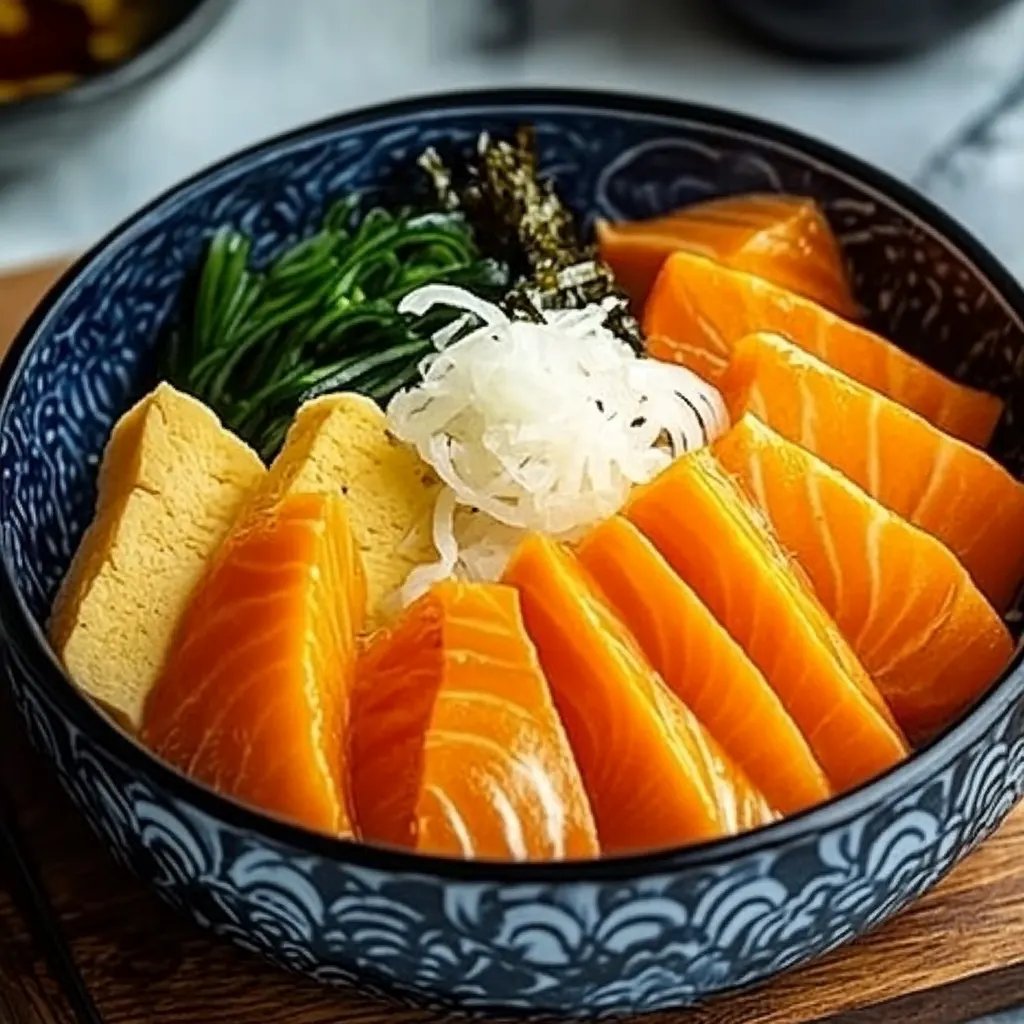
Japanese cuisine is celebrated for its artful presentation and balance of flavors. These vegetable dishes are not only delicious but also showcase the seasonal bounty of Japan.
The Essence of Japanese Cookery
Japanese cuisine is celebrated for its emphasis on seasonal ingredients, flavors, and presentation. Central to this culinary tradition is the philosophy of balance and harmony, where colors, shapes, and tastes converge to create stunning dishes. Incorporating vegetables not only enhances the meal's aesthetic appeal but also brings a wealth of health benefits, making these recipes a great choice for anyone seeking nutritious options.
Vegetables play a crucial role in Japanese dishes, adding freshness and vibrancy. The diversity of textures—from the crispness of sunomono salad to the tender warmth of simmered vegetables—ensures that each dining experience feels unique and satisfying. By using fresh, seasonal produce, these recipes embody the essence of Japanese food culture while promoting an active, healthy lifestyle.
Simple Cooking Techniques
Japanese cooking often emphasizes simplicity in technique, making it accessible for home cooks of all skill levels. Techniques such as slicing, marinating, and simmering are easy to master yet yield delicious results. For example, the art of preparing sunomono salad lies in the careful slicing of vegetables to maintain crispness and ensure even flavor distribution, allowing the natural tastes to shine.
Simmering vegetables in a savory broth creates a comforting dish that warms not only the body but also the spirit. This technique is straightforward and allows for creativity in incorporating different vegetables based on what is in season or available. By focusing on quality ingredients and straightforward methods, anyone can replicate these delightful dishes at home.
Cultural Significance of Vegetables
In Japanese culture, vegetables are not merely ingredients; they are symbolic representations of nature's bounty. Many Japanese festivals celebrate the changing seasons, where specific vegetables are featured in traditional dishes to honor their seasonal peaks. By preparing these vegetable dishes, you are not just cooking; you are partaking in a long-standing tradition that respects the earth's cycles and showcases the beauty of the natural world.
Celebrating vegetables in Japanese cuisine is also about mindfulness. Each dish invites you to pause and appreciate not only the flavors but also the history behind each ingredient. This connection to nature fosters a deeper appreciation for what is on your plate, making each mealtime a moment of gratitude and enjoyment.
Ingredients
Ingredients
Sunomono Salad
- Cucumber
- Carrot
- Rice vinegar
- Sugar
- Salt
Simmered Vegetables
- Daikon radish
- Carrot
- Potato
- Soy sauce
- Mirin
Make sure to use fresh vegetables for the best flavor!
Instructions
Preparation Steps
Prepare the Sunomono Salad
Thinly slice the cucumber and carrot. In a bowl, combine rice vinegar, sugar, and salt. Toss with the vegetables and let it marinate for 10 minutes.
Cook the Simmered Vegetables
Cut the daikon, carrot, and potato into bite-sized pieces. In a pot, combine soy sauce and mirin with enough water to cover the vegetables. Bring to a boil, then add the vegetables. Simmer for about 20 minutes.
Serve the dishes warm or chilled as per preference!
Pro Tips
- Use seasonal vegetables for the best taste and freshness.
Cooking Tips for Success
To achieve the best results with your sunomono salad, ensure that your vegetables are sliced thinly and uniformly. This will help them marinate evenly in the dressing, enhancing their flavors. Additionally, consider using different types of vinegar, such as apple cider or rice wine, for a unique twist on the classic recipe.
For simmered vegetables, be cautious not to overcook them. The goal is to achieve a tender texture while preserving the integrity of the vegetables. Test them with a fork after 15 minutes of simmering to avoid mushy results. You can also experiment with adding other vegetables like mushrooms or green beans for added flavor and nutrition.
Serving Suggestions
These vegetable dishes can be served as part of a larger Japanese meal, accompanied by rice, miso soup, and protein dishes like grilled fish or tofu. The refreshing sunomono salad pairs especially well with heavier mains, providing a light, zesty contrast that enhances the overall dining experience.
Alternatively, serve sunomono salad as a standalone dish during summer gatherings, where its refreshing crunch can be a crowd-pleaser. The simmered vegetables make a wonderful side dish for winter meals, offering warmth and comfort. Both dishes are versatile enough to be enjoyed on their own or as part of a festive feast.
Questions About Recipes
→ Can I make these dishes vegetarian?
Yes, all of these recipes are naturally vegetarian-friendly.
Japanese Vegetable Dishes
Created by: Josie Lambert
Recipe Type: World Kitchen Heritage
Skill Level: Intermediate
Final Quantity: 4 servings
What You'll Need
Sunomono Salad
- Cucumber
- Carrot
- Rice vinegar
- Sugar
- Salt
Simmered Vegetables
- Daikon radish
- Carrot
- Potato
- Soy sauce
- Mirin
How-To Steps
Thinly slice the cucumber and carrot. In a bowl, combine rice vinegar, sugar, and salt. Toss with the vegetables and let it marinate for 10 minutes.
Cut the daikon, carrot, and potato into bite-sized pieces. In a pot, combine soy sauce and mirin with enough water to cover the vegetables. Bring to a boil, then add the vegetables. Simmer for about 20 minutes.
Extra Tips
- Use seasonal vegetables for the best taste and freshness.
Nutritional Breakdown (Per Serving)
- Total Fat: 10g
- Total Carbohydrate: 50g
- Protein: 5g